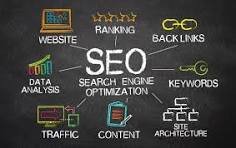
How Artificial Intelligence is Transforming Search Engine Optimization
In the ever-evolving world of digital marketing, one of the most significant shifts we’ve seen in recent years is the rise of Artificial Intelligence (AI) in Search Engine Optimization (SEO). As search engines become smarter and more user-focused, SEO professionals and businesses alike are turning to AI to stay ahead of the curve.
But what exactly is AI in SEO, and how does it work?

Understanding AI in SEO
At its core, AI in SEO refers to the use of artificial intelligence technologies to improve and automate the processes involved in optimizing a website for search engines. This includes everything from keyword research and content creation to technical audits and search intent analysis.
AI helps marketers make smarter decisions based on data, automate repetitive tasks, and create better, more targeted content — all aimed at improving search rankings and user experience.
How AI is Used in SEO
Let’s break down the key areas where AI is making an impact in SEO:
1. Keyword Research & Content Strategy
Traditional keyword research can be time-consuming. AI tools analyze massive datasets to find relevant keywords, search trends, and content gaps. They also help understand user intent, ensuring that your content matches what people are actually searching for.
Example: Tools like Semrush, SurferSEO, and ChatGPT can generate content ideas and keyword clusters based on AI-driven analysis.
2. Content Creation & Optimization
AI-powered platforms can now assist (or even automate) the writing of high-quality, SEO-optimized content. These tools ensure the right keywords are used naturally, suggest headings and structure, and improve readability and tone.
Example: Jasper and ChatGPT can write SEO-friendly blog posts or product descriptions in minutes.
3. Search Intent & User Behavior Analysis
Understanding why someone searches for a term is critical. AI helps analyze user behavior, click patterns, and dwell time to determine the intent behind searches — whether informational, transactional, or navigational.
This helps tailor content that better satisfies searchers and performs better in rankings.
4. Technical SEO Audits
AI-driven tools can scan websites to identify technical issues like:
-
Broken links
-
Slow-loading pages
-
Poor mobile usability
-
Crawl errors
They can then prioritize these issues based on impact, helping teams focus on what matters most.
Example: Tools like Screaming Frog and Sitebulb use AI algorithms to automate in-depth audits.
5. Voice Search & NLP Optimization
With the rise of virtual assistants like Siri and Google Assistant, optimizing for voice search has become essential. AI enables Natural Language Processing (NLP), allowing content to be more conversational and better aligned with how people speak.
6. Backlink Analysis & Outreach
AI tools can identify backlink opportunities by analyzing competitor profiles and spotting patterns. They can also predict which backlinks will have the most value based on domain authority, relevance, and engagement.
7. AI in Google’s Algorithms
Google itself uses AI and machine learning in its algorithms — most notably through:
-
RankBrain – Helps Google understand search queries better.
-
BERT & MUM – Understand context and nuance in language.
To rank well, your SEO strategy must align with how these AI systems evaluate content.
Benefits of AI in SEO
✔️ Efficiency – Automates repetitive and time-consuming tasks
✔️ Accuracy – Reduces human error in keyword analysis and optimization
✔️ Scalability – Makes it easier to manage large sites or content strategies
✔️ Better UX – AI focuses on user behavior, leading to more relevant, engaging content
✔️ Data-Driven Decisions – Uses real-time data to inform strategies
Final Thoughts
AI is not just a trend — it’s a fundamental shift in how SEO is done. As search engines continue to get smarter, integrating AI into your SEO strategy isn’t just a competitive advantage — it’s becoming a necessity.
Whether you’re a solo marketer, a small business, or part of a large enterprise, embracing AI tools can help you improve visibility, save time, and stay ahead in the digital landscape.