In the digital age, where connectivity and communication are at the heart of daily life, social media marketing has become a cornerstone of digital marketing strategies. With billions of people actively using platforms like Facebook, Instagram, X (formerly Twitter), LinkedIn, and TikTok, businesses of all sizes are leveraging social media to reach their target audiences, build brand awareness, and drive sales.
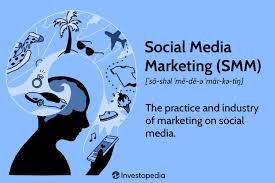
What is Social Media Marketing?
Social Media Marketing (SMM) refers to the use of social media platforms to promote a product, service, or brand. It involves creating and sharing content tailored to the platform and its audience, engaging with followers, running paid advertisements, and analyzing results to optimize performance.
The Role of Social Media in Digital Marketing
Digital marketing is an umbrella term that includes various online marketing efforts such as SEO, email marketing, content marketing, PPC, and more. Social media marketing plays a crucial role within this ecosystem because it offers:
-
Direct communication with customers
-
Real-time feedback and engagement
-
Wide reach and targeting capabilities
-
Cost-effective advertising
Unlike traditional marketing channels, social media enables two-way interaction, which builds trust and fosters loyalty among consumers.
Key Benefits of Social Media Marketing
1. Increased Brand Awareness
Social media allows businesses to reach a large audience quickly. Regular posting, influencer partnerships, and viral campaigns can significantly boost visibility and recognition.
2. Improved Customer Engagement
Through comments, messages, and shares, brands can interact directly with users, resolve queries, and build stronger customer relationships.
3. Better Audience Targeting
Platforms like Facebook and Instagram offer advanced targeting options, including demographics, interests, behavior, and location, helping businesses reach the right audience efficiently.
4. Cost-Effective Advertising
Compared to traditional advertising, social media ads are often more affordable and provide better ROI when properly managed.
5. Data and Analytics
Most platforms provide in-depth insights into post performance, audience behavior, and ad success, allowing for continuous improvement.
Popular Social Media Platforms for Marketing
Each platform offers unique advantages:
-
Facebook: Great for broad audience targeting, community building, and paid ads.
-
Instagram: Ideal for visual content, influencer marketing, and younger demographics.
-
X (Twitter): Suitable for real-time updates, customer service, and trending topics.
-
LinkedIn: Focused on B2B marketing, professional networking, and industry content.
-
TikTok: Popular for short-form videos, creativity, and reaching Gen Z audiences.
-
YouTube: Excellent for video marketing, tutorials, and product demonstrations.
Best Practices in Social Media Marketing
-
Define Clear Goals: Know what you want to achieve—brand awareness, lead generation, or customer loyalty.
-
Know Your Audience: Understand their interests, pain points, and preferred platforms.
-
Create Valuable Content: Post content that educates, entertains, or solves problems.
-
Engage Consistently: Respond to comments, join conversations, and stay active.
-
Use Analytics: Track performance to see what’s working and refine your strategy accordingly.
-
Stay Updated: Social media trends evolve quickly; keep up with algorithm changes and new features.
Challenges of Social Media Marketing
Despite its benefits, social media marketing comes with challenges:
-
Constant need for fresh and relevant content
-
Managing negative feedback or crises
-
Staying ahead in highly competitive spaces
-
Algorithm changes affecting visibility
The Future of Social Media Marketing
The future is leaning toward:
-
Video content dominance (Reels, Shorts, Stories)
-
AI-powered tools for content creation and analytics
-
Social commerce, enabling in-app purchases
-
Personalization and hyper-targeted ads
-
Greater focus on authenticity and user-generated content
Conclusion
Social media marketing is no longer optional—it’s an essential part of any successful digital marketing strategy. It provides brands with powerful tools to connect with audiences, tell their stories, and drive business results. By using the right platforms, creating engaging content, and staying responsive, businesses can harness the full potential of social media in the digital era